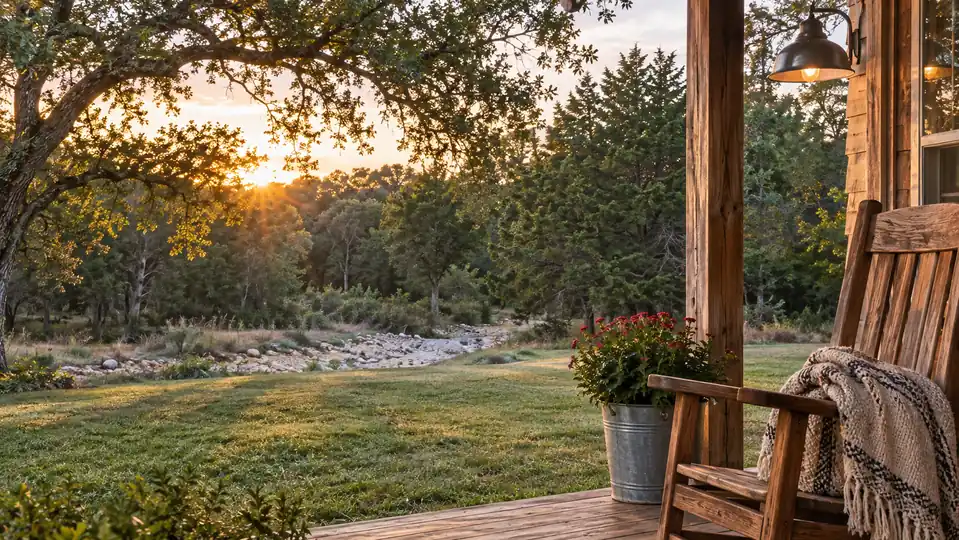
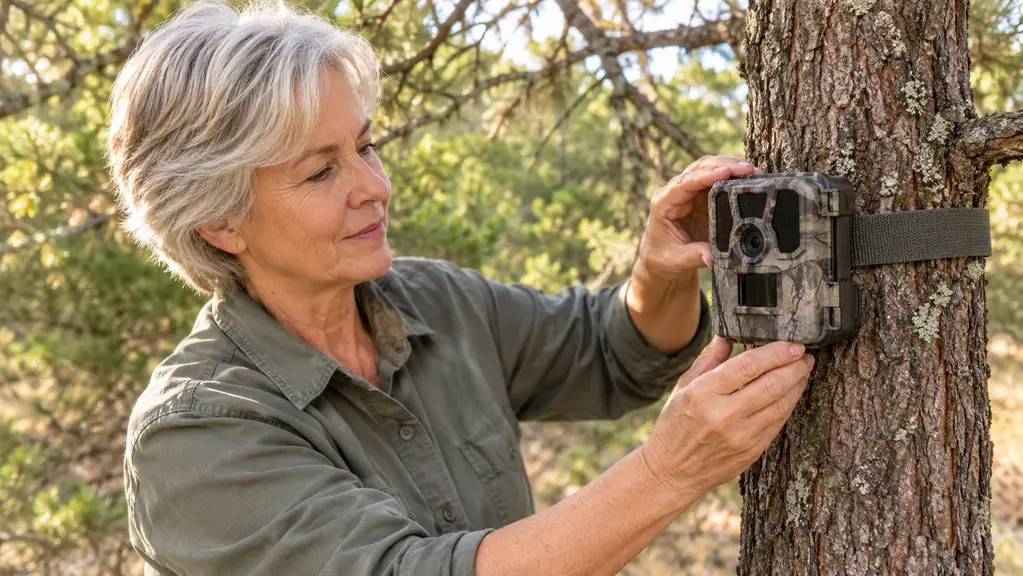
I bought a trail camera in October 2022 because something was digging in the dry creek bed behind the house and I wanted a name for it. I came home with a GardePro A3S, strapped it to a live oak at about waist height, and pointed it across the creek. Two weeks later the card held a gray fox walking that gravel at 11:40 at night. I had never seen a fox on this place. Four years on, that same camera is on that same tree, and I still walk out on Sunday morning with a card in my hand like it is the newspaper.
That is the whole case for a trail camera, and I will make it ten different ways below. The plain summary first: a trail camera is worth it if you want to know what happens on your land while you are asleep, and it is not worth it if you want pictures delivered to your phone without leaving the porch. The GardePro A3S is the non-cellular kind. It does not talk to anything. You walk out, you pull the card, you look at it on a laptop. I have come to prefer that, and reason seven explains why.
The camera that finally named my creek bed
The GardePro A3S is a non-cellular trail camera: 1296P video with sound, motion activated, no monthly plan and nothing to pair. It has hung on the same live oak since October 2022.
Amazon Check Today's Price on Amazon →It keeps watching long after the porch light goes off
Almost everything interesting on four acres happens between nine at night and five in the morning. Deer, armadillos, the fox. The A3S has no-glow night vision and a Sony Starvis sensor built for low light, so the clips after dark come out usable instead of as a black rectangle. I am not going to tell you it turns midnight into noon. It does not. But I can tell a fox from a raccoon at 11:40 at night, and that is the entire job.
It corrects the story you have been telling yourself for years
For a long time I blamed the armadillos for every hole in the yard, and that one held up. But I had also convinced myself the turkeys were roosting across the fence on the neighbor's land. The card says otherwise. They come through my cedar at first light, all of them, and I had been wrong about a bird I can see from my own kitchen window. That is worth the price of a camera, whatever the price happens to be on the day you look.
The clips have sound, and the sound is what teaches you
I expected to care about the picture. I did not expect the audio to matter. A clip of eight turkeys in the creek bed is a clip of eight turkeys talking, and you can hear whether they are feeding or fussing or getting ready to leave. Acorns dropping, a deer snorting, an armadillo rooting through the leaves. The GardePro records 1296P video with sound, and thirty seconds of that has taught me more than a hundred silent stills.
Motion does the watching so you do not have to sit still
The A3S is motion activated. That sounds like a small feature until you have spent a Saturday in a porch chair trying not to move your head. You set it, you walk back to the house, and it wakes up when something crosses in front of it. The rest of the time it sits there drawing almost nothing, which is the whole point of a camera that has to live outdoors for months at a stretch.
Time-lapse catches the slow things you would never sit through
Not everything worth seeing moves fast. Time-lapse is built into this camera, and I point it at the creek bed itself: water running after a rain, the shadow line crawling across the gravel, the green coming up in April. Set it and it hands you a short version of a long afternoon. That is not wildlife exactly. It is the stage the wildlife walks onto, and I have grown fond of having both.

Hybrid mode gives you the clean frame and the clip after it
Hybrid mode takes the photo and then keeps recording, so you get one sharp frame plus the few seconds that follow. When the deer come through as a group, that second part is what tells you who was trailing whom. I did not think I would use it. I use it more than plain photos now.
No cell plan and no Wi-Fi means no bill and fewer battery changes
This is the part people argue with me about. The A3S is not cellular and it is not Wi-Fi. It does not send you anything. So there is no monthly line item and no signal to go chasing at the back of the property. GardePro built it to sip power, which means fewer trips out with a screwdriver and a fresh set of batteries. What it costs you is a walk. Mine is on Sunday with coffee in a travel mug. That walk stopped being a chore about three weeks in.
One push button, so you can set it before the sun is up
The control is a push button and that is all I want on a camera hanging in the dark. I am sixty-three and I am not going to stand in the cedar working through a menu with cold fingers. Push the button, latch the door, point it across the creek and not at the house, walk back. Paul runs it without complaint and Paul does not read manuals, which is the only field test that matters in this family.
At 350 grams it goes up on the oak in about a minute
Three hundred and fifty grams, roughly the weight of a paperback. I strap it to the trunk, check the aim, and I am finished. If I want it on the other oak for a week to see what is using that side, I move it. A heavier camera would end up in the hall closet. This one lives outside, which is the only place it does anybody any good.
Batteries now, solar later, only if you decide you need it
It runs on battery power, and GardePro sells an SP350 solar panel separately for people who would rather stop thinking about batteries altogether. I have not added one. My routine is a card pull and a battery check on the same Sunday, and at 1.5 watts of draw the batteries have never been the reason I walked out there. If you plan to run time-lapse for weeks at a time, the panel is the sensible addition. If you are like me, plain batteries are fine.
Two weeks in, the card showed a gray fox working the creek gravel at 11:40 at night. I had lived on this land for years and never once seen one.
What I'd Skip
Skip the cellular camera if your spot is a four minute walk from the porch. I understand the appeal of a picture arriving on your phone. But you would be paying every month for something you could have fetched yourself with a cup of coffee in your hand, and you would be trading battery life for the privilege. Skip the mount kit at first, too. A plain strap on a live oak has held mine for four years without a wobble.
Skip the idea that a trail camera is a security system. This one is not. It is a window. If a person walks through your yard, you will get a picture of a person walking through your yard, and you will see it next Sunday. That is not the tool you want for that job and I would not pretend otherwise.
And know the honest limits before you buy. A small animal moving fast at night sometimes comes out as a smear, and a busy month can fill a card faster than you expect. Neither of those has ever made me want a different camera. They have only made me more regular about that Sunday walk.
Four years on the same oak, and it still earns its spot
If you want to know what crosses your land while you are asleep, this is the plainest way I know to find out. One camera, one card, one walk a week. The GardePro A3S has done that job on the same tree since October 2022.
Amazon Check Today's Price on Amazon →